Being a landlord comes with more than just collecting rent, as it also carries legal responsibilities to keep your property safe for tenants. One of the most important aspects of this is ensuring the electrics in your property are compliant, regularly tested, and maintained to the right standard.
Whether you’re letting out a single flat or managing multiple properties, having a clear electrical safety checklist will help you stay compliant, protect your tenants, and avoid costly penalties.
Why Electrical Safety Matters for Landlords
Faulty electrics are one of the leading causes of house fires in the UK. As a landlord, you have a duty of care to provide tenants with a property that is safe and habitable. Electrical safety regulations are in place to protect both tenants and landlords, ensuring the safety of individuals and minimising the risk of fire, injury, or legal action.
Failing to keep on top of these responsibilities can result in hefty fines, invalidated insurance, and, in severe cases, prosecution. That’s why understanding your obligations and putting a proper plan in place is essential.
The Landlord Electrical Safety Checklist
Here’s what every landlord should have on their checklist to stay compliant and keep properties safe.
1. Obtain A Valid EICR
Since 2020, private landlords in England and Wales must ensure that all rented properties have a valid Electrical Installation Condition Report (EICR) carried out at least every five years.
An EICR involves a full inspection and testing of the fixed wiring, sockets, lighting, and consumer unit. The report will highlight any defects, potential hazards, or areas that don’t comply with current Wiring Regulations (BS 7671).
If remedial work is flagged, landlords must ensure it’s carried out promptly by a qualified electrician.
2. PAT Testing of Appliances
If you provide tenants with appliances such as kettles, toasters, microwaves, or washing machines, these fall under PAT testing (Portable Appliance Testing).
While not legally required in every case, PAT testing is highly recommended as it proves that appliances have been checked and are safe to use. It also demonstrates due diligence, which can be vital in the event of an insurance claim.
3. Ensure Smoke & Fire Alarms Are Installed
Landlords are legally required to provide working smoke alarms on every floor of a rental property, as well as carbon monoxide alarms in rooms containing a solid fuel appliance.
For complete protection, many landlords choose to go further and invest in smoke alarm and fire alarm systems to cover kitchens, lounges, and other risk areas. Regular testing of these systems between tenancies should also form part of your routine checks.
4. Keep Consumer Units Up To Standard
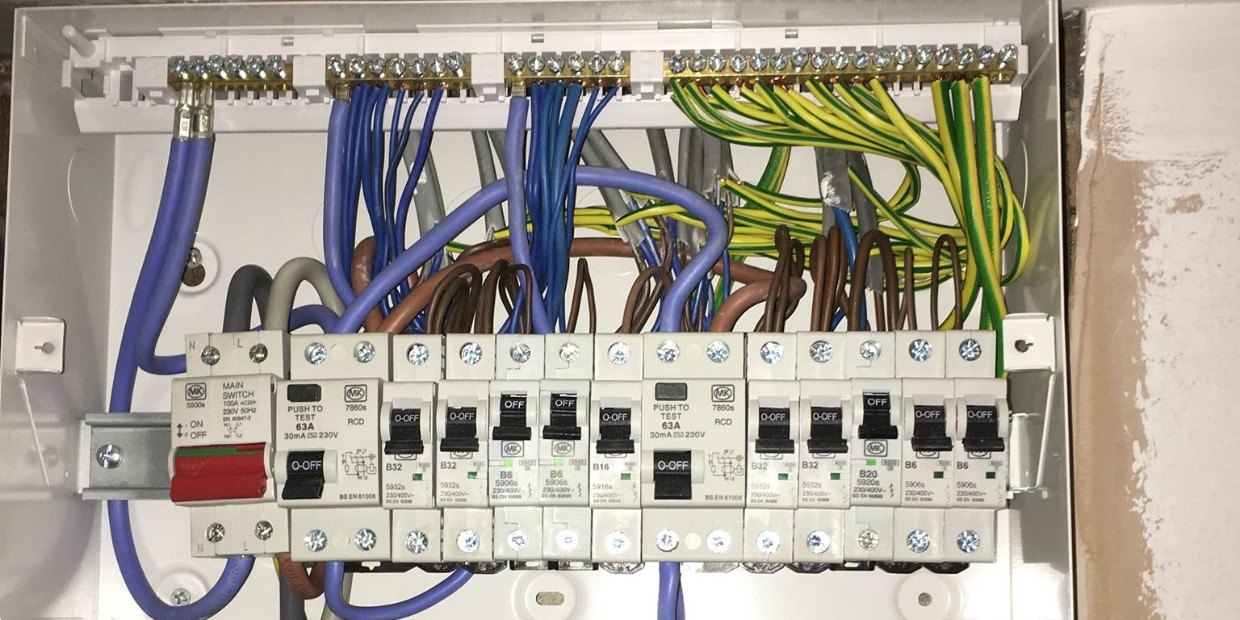
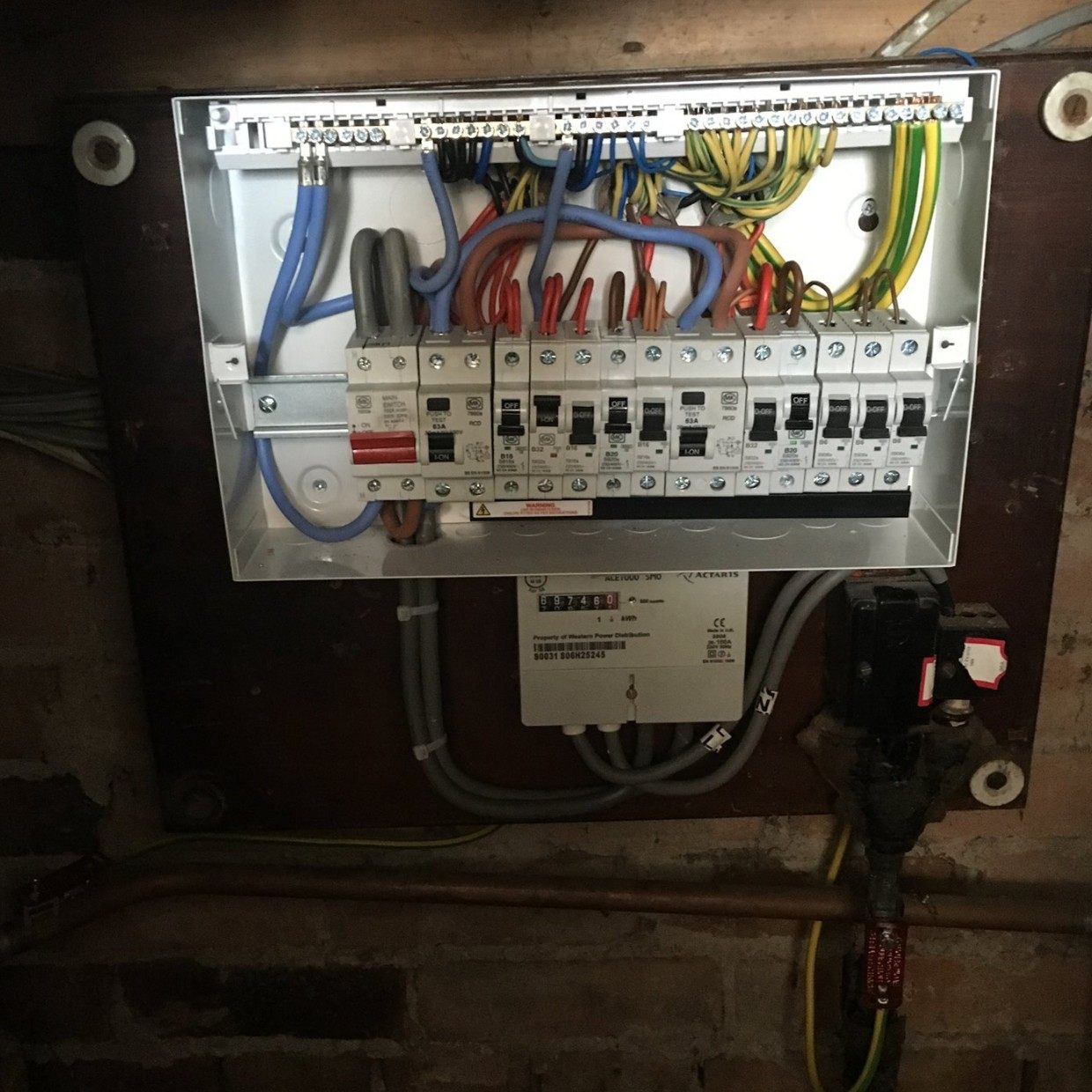
Older fuse boards are often not compliant with today’s regulations and can put tenants at risk. Modern consumer units include RCD protection, which dramatically reduces the risk of electric shock and fire.
If your property still has an outdated fuse box, consider a fuse board replacement. It’s a worthwhile investment that not only keeps tenants safe but also makes your property more attractive to renters.
5. Plan For Electrical Maintenance
Like any part of a property, electrical installations can deteriorate over time. Loose connections, worn sockets, or overloaded circuits may not always be obvious to tenants, but they can present serious hazards.
Scheduling electrical maintenance ensures that any minor issues are picked up before they develop into costly repairs or safety risks. For landlords with multiple properties, a planned maintenance schedule can also help avoid unexpected callouts.
6. Outdoor & Garden Electrics
If your rental property includes a garden, driveway, or outbuildings, don’t forget about external electrics. Weather-exposed sockets, outdoor lighting, and powered garages must all be safe and compliant.
Professional garden electrics and outdoor lighting installations are designed to withstand the elements, reducing the risk of faults caused by damp, corrosion, or poor DIY work.
7. Provide Clear Tenant Guidance
Even if your property’s electrics are safe and up to date, tenants still need to use them responsibly. Providing guidance on safe use of appliances, avoiding overloaded extension leads, and how to test smoke alarms is a simple step that reduces risk.
Including this information in a welcome pack or tenancy agreement shows you’ve gone the extra mile in promoting safety.
The Legal Side
To recap, landlords must:
- Have a valid EICR every five years (or sooner if specified in the report).
- Provide evidence of remedial work where required.
- Install smoke alarms on each floor and carbon monoxide alarms where necessary.
Failure to meet these obligations can result in fines of up to £30,000 per property, as well as potential invalidation of insurance policies.
Working With A Qualified Electrician
Ultimately, the best way to stay on top of electrical safety is to work with a trusted, qualified electrician(such as ourselves!) who can provide regular inspections, testing, and upgrades where necessary. At Assured Electricians Bridgend, we work with landlords across the region to deliver a range of services, including EICRs, PAT testing, fuse board replacements, and smoke alarm installations.
By having one dedicated partner, you can streamline compliance, keep tenants safe, and rest easy knowing your properties are covered.
Final Thoughts
Electrical safety isn’t something landlords can afford to overlook. With strict legal obligations and the wellbeing of tenants at stake, a structured approach to inspections, testing, and maintenance is essential.
By following a clear landlord electrical safety checklist, covering everything from EICRs and PAT testing to fire alarms and consumer unit upgrades, you’ll not only meet your obligations but also protect your investment and build trust with tenants.
For professional advice or to arrange your next inspection, get in touch with Assured Electricians Bridgend today.